Fat Grip Work
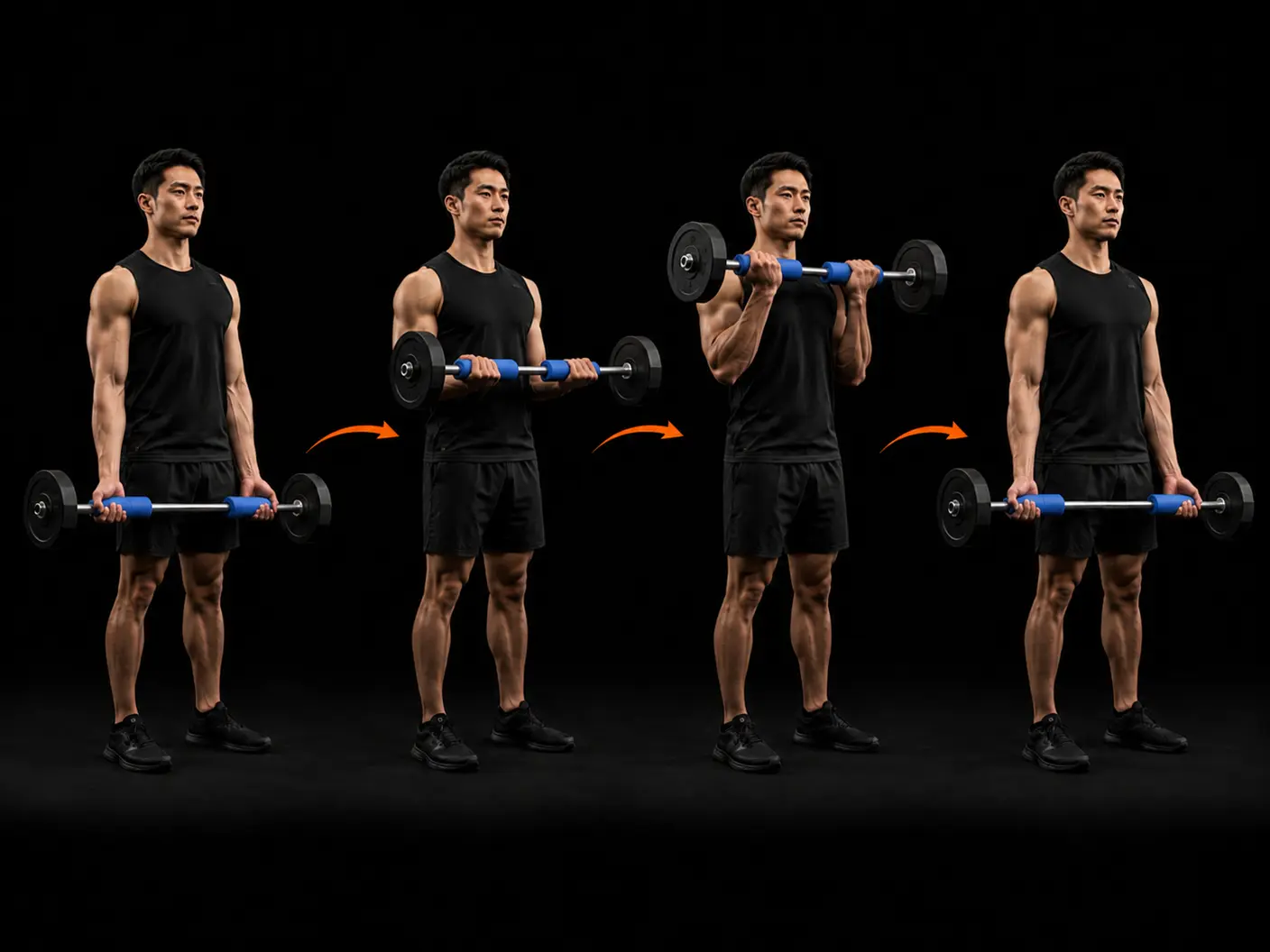
Fat grip work is a training method that increases the diameter of any barbell, dumbbell, or carry implement using thick-bar attachments or wrapping, placing substantially greater demand on the forearm flexors and grip muscles throughout a movement. Rather than a standalone exercise, it is applied as a modifier to standard lifts — rows, curls, deadlifts, farmers carries — to intensify the grip requirement without altering the primary movement pattern. It suits intermediate lifters looking to address grip as a limiting factor in pulling and carrying strength.
How to do it
Wrap fat grip attachments (e.g., Fat Gripz) around any barbell, dumbbell, or pull-up bar handle. Perform any lifting movement — rows, curls, deadlifts, farmers carries — with the increased diameter handle. The thicker bar increases grip demand substantially on all pulling and carrying exercises.
Coaching cues
- Crush the grip
- Maintain normal form on the primary lift
- Focus on grip endurance
- Use sparingly in heavy sessions
Why train it
- Directly develops forearm flexor and grip strength by forcing the hand to work against a larger diameter, which cannot be compensated for by wrist position alone.
- Transfers well to athletic performance in sports that demand sustained grip force, such as rugby, wrestling, and climbing.
- Adds grip-specific stimulus to movements already in a programme without requiring additional isolation exercises or extra session time.
- Exposes grip endurance as a genuine training variable, encouraging lifters to manage fatigue distribution across a set rather than relying on straps.
Common mistakes
- Applying fat grips to every session — use them sparingly within heavy training days to avoid grip fatigue compromising the primary lift quality.
- Letting grip failure dictate poor technique on the parent movement — maintain normal form throughout; if the grip fails before the target muscles, reduce load or volume.
- Gripping too loosely in anticipation of fatigue — squeeze the implement firmly from the outset to keep the forearm musculature engaged through the full range of motion.
- Introducing fat grip work too early in a session — programme it after primary strength work where grip strength is performance-critical, or as a dedicated accessory block.
Primary: Forearm Flexors.
Secondary: Forearm Extensors, Brachioradialis.
Equipment
Good for
Easier variation
Standard grip work — plates, dumbbells, or Farmer's Hold without fat grips.
Similar movements
Frequently asked
- What muscles does fat grip work target?
- The primary muscles trained are the forearm flexors and grip muscles, with secondary involvement from the forearm extensors and brachioradialis. The increased handle diameter means these muscles must generate greater force to maintain a secure hold throughout any pulling or carrying movement.
- What equipment do I need for fat grip training?
- You need fat grip attachments such as Fat Gripz, access to a purpose-built thick bar, or handles wrapped with a towel or foam to increase diameter. These can be applied to barbells, dumbbells, or pull-up bars, making them versatile and cost-effective additions to most training environments.
- How many sets and reps should I use with fat grips?
- Because grip fatigue accumulates quickly, start conservatively — two to three sets of eight to twelve repetitions on a moderate-load movement is a sensible entry point. Reduce the load by roughly twenty to thirty per cent compared with your standard handle work until grip endurance adapts.
- Can fat grip work replace dedicated forearm training?
- For most lifters it can serve as the primary forearm and grip stimulus when applied consistently to pulling and carrying exercises, reducing the need for isolation work. However, lifters with a specific grip-strength target or sport requirement may still benefit from supplementary direct work.
- Are fat grips suitable for heavy compound lifts like deadlifts?
- They can be used on deadlifts as an accessory variation, but exercise caution on maximum-effort sets where grip failure could compromise safety or technique. The coaching guidance here is to use fat grip work sparingly in heavy sessions and to prioritise standard grip when pulling near-maximal loads.
Want this movement in a plan built for you?
Adaptiv programmes the right exercises for your goal, equipment and experience — then adapts them as you train.
Build my programme